Twenty-eight people from different cities, with diverse convictions, met in Zaragoza to delve deeper into dialogue as a path of encounter, mutual understanding and building a better world, based on the common good.
Is genuine dialogue possible in an increasingly polarized society? How can we find common ground when we think differently? These questions were at the heart of the national meeting of Dialogue Groups among people of diverse convictions, held on September 19 and 20 in Zaragoza, under the motto "From beliefs to conscience. Diverse convictions in dialogue.".
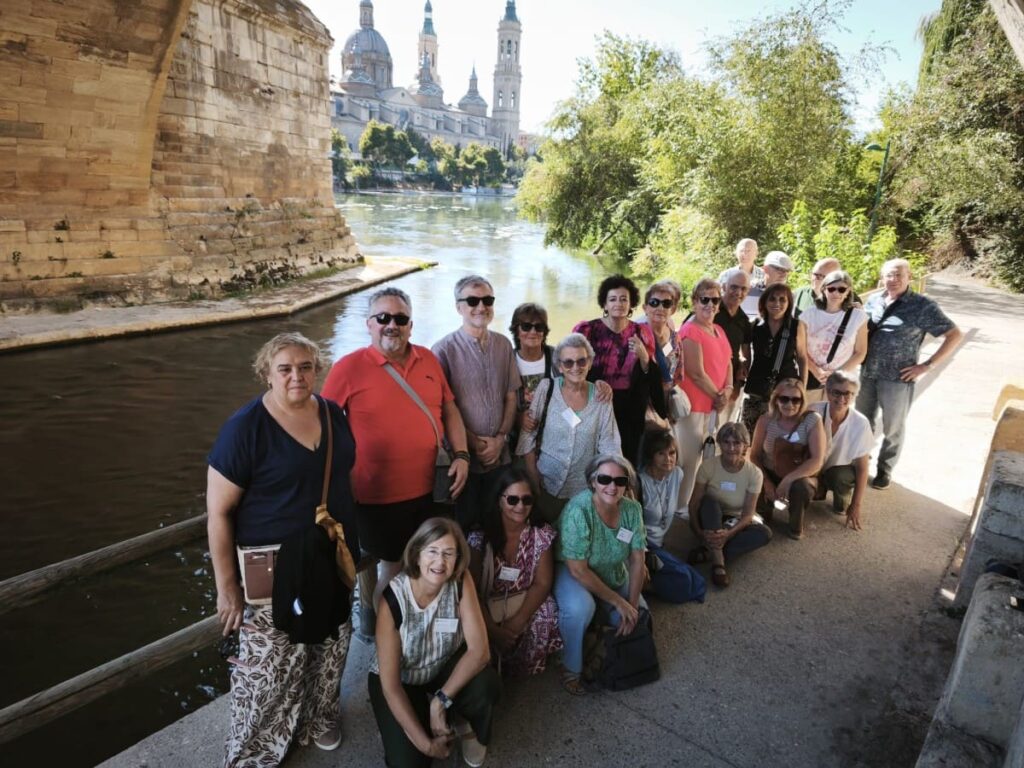
The participants, who came from Barcelona, Bilbao, Córdoba, Granada, Madrid, Segovia, and Zaragoza, shared a day and a half of reflection, experiences, and, above all, mutual listening. Because the dialogue that these groups seek to cultivate goes beyond exchanging opinions: it involves welcoming others, trying to understand their way of seeing and experiencing reality, and allowing oneself to be enriched by a different perspective, without trying to convince anyone.
Reflections on the global situation, characterized by conflict, inequality, and polarization, highlighted the need to reclaim spaces for dialogue. In times of crisis, we need to seek solutions, not just blame.
Other experiences brought the value of dialogue closer to concrete situations: mediation in school conflicts and support during a couple's separation. A testimony of interreligious dialogue1 He also noted that different traditions can contribute to peace.
There was also room to address fundamental questions, such as the meaning of life from an atheist perspective and the ethical and social challenges of artificial intelligence.
Fraternity was another key theme. The discussion delved into the need to move from "I" to "we," to defend human dignity, and to reject hatred as a response to differences.
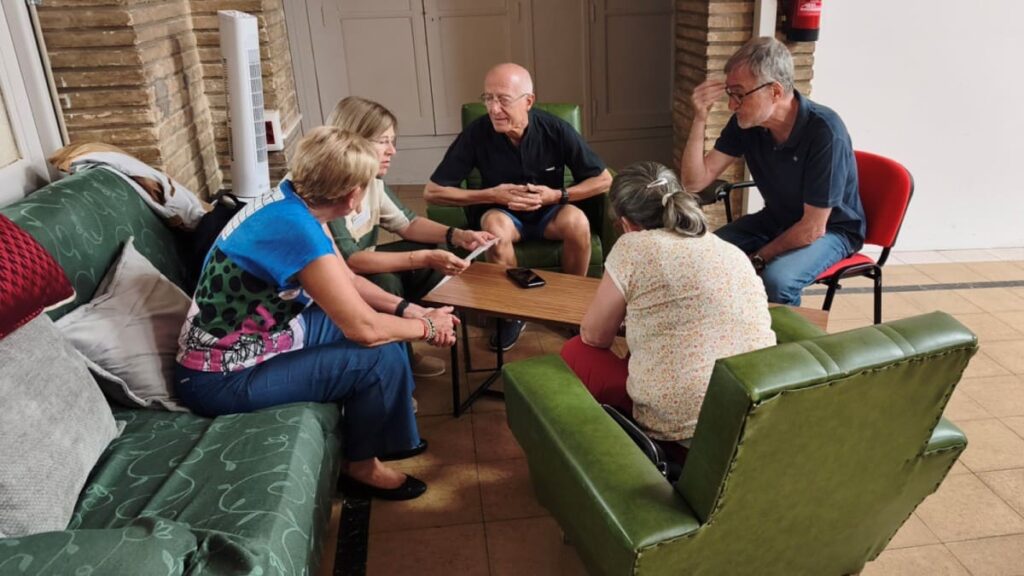
The meeting concluded with small group work to share concerns and propose future paths. One observation emerged: although spaces exist for exchanging opinions, the necessary conditions for genuine dialogue are not always present. Therefore, these groups can become small laboratories where participants can learn to listen and then apply that experience to other areas of daily life.
When participants were asked what they took away from the meeting, words such as hope, enrichment, respect, listening, and welcome appeared.
Perhaps therein lies one of the keys to this experience: discovering that, from the diversity of beliefs and convictions, it is possible to meet without renouncing one's own identity, to recognize the dignity of the other and to work together for a more fraternal world.